


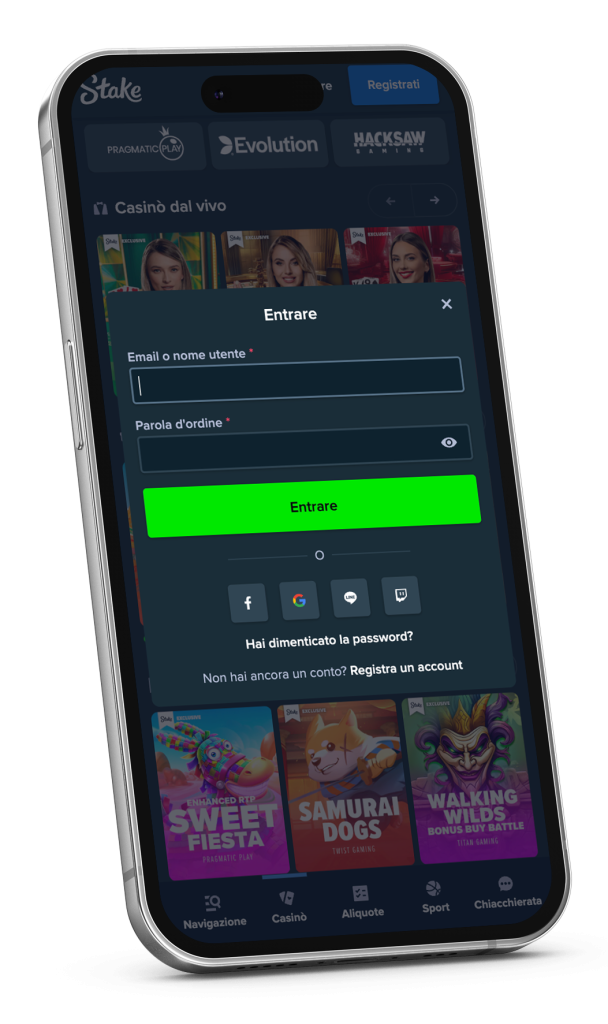
If you play at online casinos like Stake, you eventually notice the small things that make a big difference sstake.org. Session timeouts are one of those things. They’re easy to ignore until they log you out right when you are having a hot streak. Having played at Stake for a long time here in Ireland, where the Wi-Fi can be spotty and life gets busy, I’ve learned that managing these timeouts is a basic skill. It stops your session from ending abruptly and adds a real layer of security. I aim to share what I have learned, from how the defaults work to the little tricks that keep you in command of your session.
Frequent Timeout Troubles and Preventive Solutions
Things don’t always go perfectly. The most common problem I had was getting logged out even when I thought I was engaged. This usually happened because of a tiny hiccup in my internet connection. The server sees no data for a few seconds and thinks you’re away. To fight this, I make sure my Wi-Fi is steady before a long session. I also use the ‘Auto-Reconnect’ feature in some of Stake’s game lobbies when it’s available. Another concern is shared devices. My policy is clear: if I play on any computer that isn’t my own, I manually log out the moment I am done. One more suggestion: keep your browser or app current. Older versions can sometimes glitch and drop your session prematurely.
Walkthrough: Adjusting Your Stake Session Settings
You can manage everything from your account page. Begin by logging in and clicking on your profile icon. Navigate to your account dashboard or settings. Look for tabs labeled ‘Security’ or ‘Session Management’. Here, you cannot change the master inactivity timer (it’s typically fixed for regulatory reasons), but you will discover something useful: a list of your active sessions. You can view every device and browser currently logged into your account. You can remotely sign out any of them. I carry this out every week or so. I’ll close the session on an old phone or a public library computer I forgot about. It’s a practical approach of cleaning house and it adds a real sense of control.
How Session Timeouts Impact Gameplay and Bonuses
An unexpected logout is more than just a inconvenience. Consider this: you’re deep into a blackjack hand with a live dealer, or you’ve just triggered a bonus round on a slot. Getting logged out shatters your focus. There are practical costs, as well. Some bonuses or promotions have countdown clocks that tick down only when you’re actively signed in. I found that while your placed bets are generally secure, those bonus timers might not wait for you. My own rule now is basic. If I’m working through a wagering requirement or using a timed offer, I close other tabs and focus only on Stake until it’s done. It turns a system quirk into a reason for more disciplined play.
Striking a balance Security with Uninterrupted Play
Everyone wants their account to be safe, but nobody wants to be logged out every five minutes. Stake gives you the basic framework, but finding your own balance is up to you. I worked out a personal method. First, I changed my own habits. During natural breaks in play—like waiting for a sports bet to settle or between slot spins—I make a point to click something on screen. This resets the inactivity clock. Second, I fortified my account’s actual security. I use a strong password and, crucially, enabled two-factor authentication (2FA). Knowing that extra step was in place made me less anxious about keeping my session active a bit longer. The security wasn’t just about the timeout anymore.
Past Timeouts: Key Security Options You Need to Use
Session expirations are only one piece of safeguarding your account. Stake has other tools, and you need to use all of them. 2FA is the key one. Turn it on. It requires a second code to the sign-in process, which stops almost all illegitimate access. Next, look at your cashout confirmation settings. Add a PIN or need email authorization for any withdrawal. Set up login alerts too. Have Stake email you when a new device signs into your account. Finally, and I can’t stress this enough, create a unique password for your Stake account. Don’t recycle an old one. Together, these settings create a safety net. They let you think about your next play, not your account safety.
Key Strategies for Managing Your Session from a Seasoned Player
After all this time playing, here are the routines that I find effective. First, always log out manually on public or shared devices. It’s the simplest security step. Second, use a credential manager and enable 2FA. This makes returning quick and painless, so a session timeout isn’t a major issue. Third, organize your gaming sessions. Am I just checking in for five minutes, or am I staying for the evening? If it’s the latter, I’ll interact actively with the site during breaks to keep the session active. Four, I often clear my browser browser cache and browser cookies. It keeps old data from creating conflicts and weird session errors. These aren’t major actions, but they make everything run smoother.
What Are Session Timeouts and Why Are They Important?
A session timeout is an automatic logout. If you don’t touch your keyboard or mouse for a while, Stake will automatically log you out. It’s a security measure. It prevents someone else from getting into your account if you leave your laptop open in the living room. At first, I saw it as an annoyance. Now, I regard it as a essential safeguard, especially when real money is involved. The challenge is in the timing. A timeout that’s too short logs you out while you’re making a cup of tea. One that’s too long leaves a window open for trouble. Getting why this balance exists helps you work with it, especially with Ireland’s sometimes unreliable broadband.
The Mobile and Desktop Experience: An Important Distinction
Your playing location alters how the timeout is perceived. On a desktop browser, the behavior is pretty consistent. The mobile app, however, follows somewhat different rules. Apps can sometimes keep a session alive in the background slightly longer. But don’t be fooled. A complete logout will still occur after enough inactivity. I tried both platforms. The application seemed more lenient if I got a text message and switched away for a minute. My suggestion is to understand the pattern of each platform. Do not simply assume your mobile session remains active after you have put down your phone for lunch. Always check you’re properly signed in before you make another bet. That is the only safe method.
Stake’s system Standard Timeout Behavior: My Initial Observations
When I originally signed up to Stake, I didn’t change any settings. I sought to see how it behaved on its own. The platform has a typical period of inactivity before it logs out. From my testing, it’s set with a marked emphasis on security, which is logical for a authorized operator. For a quick look or reviewing a bet slip, it’s adequate. But if you’re at home, maybe alternating between a game, a stream, and your phone, it can disconnect you when you never expect it. The logout itself is direct—you just need to sign in again. Any open bets are generally secure, as they’re managed by the game server. That default behavior taught me I should not be passive about my time.