


Before I am tempted by the treasure chests and cannon fire of a slot like Pirate Bonanza, I always confirm one thing first: can I trust it? For anyone spinning in the UK, that question is essential bonanzaslot.eu. Fair gaming certifications and independent audits deliver the answer. These aren’t just decorative logos for a website footer. They are detailed, third-party checks that assure every spin on Pirate Bonanza is unpredictable, every win is determined correctly, and the game runs as it should. This guide will walk you through the specific certifications a trustworthy game must have. I’ll clarify what they mean for your play and show you exactly how to find them yourself. Having this knowledge is your strongest defense. It transforms a game of chance into a decision you can make with your eyes wide open.
The value of RNG approval for slot fairness
Every legitimate online slot depends on its Random Number Generator, the RNG. This is the intricate piece of software that determines the result of each spin, guaranteeing every outcome is independent from the last and unfeasible to predict. A slot without a certified RNG cannot claim to be fair. For players in the UK, this certification is the foundation of trust. I make it a habit to confirm that a game’s RNG has been examined and approved by an unbiased laboratory like eCOGRA, iTech Labs, or GLI. These companies run analyses spanning millions of spins. They examine the data to prove the results are random by statistics, with no hidden bias for or against the player. So when the wild symbols scatter or the bonus round triggers in Pirate Bonanza, you know it’s genuine luck at work, similar to the physical reels in a casino. This outside stamp of approval is what separates professional slots from the rest.
Recognising Reputable Testing Laboratories and Auditors
Some testing companies are better regarded than their peers. In the UK’s online gambling market, a handful of auditors have earned a reputation for rigour. Their endorsement is often a prerequisite for securing a licence from the UK Gambling Commission. When I evaluate a slot game such as Pirate Bonanza, I look for certificates from this top tier of globally accredited labs. eCOGRA, which is short for eCommerce Online Gaming Regulation and Assurance, is probably the most famous. Their “eCOGRA Certified” badge is widely considered as a yardstick for game integrity and operator reliability. iTech Labs is another major presence, concentrating on exhaustive testing of RNG mechanisms and game maths. Gaming Laboratories International, or GLI, delivers analogous wide-ranging testing for gaming markets across the globe. These auditors do not conduct a one-off check and depart. They perform regular follow-up audits to ensure levels are maintained. You can find their released documents and accreditations on the game developer’s or the operator’s site. These documents are your physical evidence that the game’s stated Return to Player (RTP) and variance are correct.
Comprehending Payout Confirmation (RTP Audits)
Understanding the spins are random is one thing. I also want evidence that the game pays out at the rate it promises. This rate is called the Return to Player, or RTP, shown as a percentage. Let’s say Pirate Bonanza has an RTP of 96.5%. Over a vast number of spins, the game is designed to give back £96.50 for every £100 put in. The key word is “designed.” Independent auditors check this number by analyzing the game’s source code and running their own simulations to compute the theoretical RTP. They review every potential symbol combination, the mechanics of the bonus features, and the entire mathematical model. This audit proves the RTP figure you see on the game’s paytable is correct and hasn’t been altered. For you, this transparency means you can comprehend the game’s long-term payout behaviour. You can compare slots based on their volatility and return rate, making a more informed choice about where to place your bets.

How Game Providers Secure Compliance for UK Players
The job of making sure Pirate Bonanza is properly certified for the UK belongs to its creator, Pragmatic Play. As a provider that holds its own UKGC licence, Pragmatic Play must follow a rigid set of technical and fairness rules. From what I’ve seen, trustworthy providers build compliance into their development cycle from the very beginning. They build games on pre-tested frameworks, and the finished product passes multiple audit layers before it is released. These checks include the RNG and RTP, but they also ensure the game rules are clear, the features work as intended, and the software meets security and stability standards. If the provider later makes a significant change to the game, they must provide that update for re-certification. Because of this system, a UK-licensed casino that lists Pirate Bonanza is offering a product that has already passed this stringent provider-level check. That provides you an extra layer of confidence before you spin the reels.
Measures Players Can Take to Confirm Fairness Independently
You do not need to depend on promises. You can take proactive steps to assess the fairness of Pirate Bonanza by yourself. I use a simple routine. First, open the game’s “Info” or “Paytable” screen. Reputable slots invariably display their RTP here in plain sight. Second, visit the game provider’s official website. For Pirate Bonanza, that’s Pragmatic Play. Find a page called “Certifications,” “Compliance,” or “Responsible Gaming.” This is where they are expected to display their lab certificates and summary reports. Third, and this is essential, only play at online casinos regulated by the UK Gambling Commission. The UKGC licence requires casinos to guarantee all their games independently tested. You can verify a casino’s licence by navigating to the very bottom of their homepage and selecting the UKGC badge. It will take you straight to the regulator’s official public register. Performing this research puts you in control.
- Examine the game’s information panel for the published RTP and rules.
- Visit the game provider’s official website to locate their certification reports.
- Confirm the online casino holds a valid UK Gambling Commission licence through the footer of their site.
- Search for trust seals from independent auditors like eCOGRA or iTech Labs on the casino’s ‘About Us’ or ‘Security’ pages.
- Review the casino’s terms and conditions for their pledge to fair gaming and links to audit reports.
The Purpose of the UK Gambling Commission in Ensuring Fairness
The UK Gambling Commission forms the basis of player safety in Britain. Its job extends far beyond handing out licences. It actively polices the strict rules that make the UK market one of the safest places to play online. For a slot like Pirate Bonanza to be available here, the Commission demands that the game itself, the provider, and the casino platform all fulfill its technical and fairness standards. The UKGC mandates independent testing of all gaming software, which includes verification of the RNG and the RTP alike. It also possesses the power to look into player complaints, conduct its own audits, and hand out serious penalties for rule-breaking. These penalties cover unlimited fines and taking a licence away completely. This acts as a powerful deterrent against unfair practices. When I play at a site with a UKGC licence, I’m not just trusting the operator is honest. I am protected by a regulator with legal teeth and a history of making the industry answer for its actions.
Frequently Asked Questions
What does RNG certified mean for Pirate Bonanza?
An RNG certification means an independent lab has verified the Random Number Generator that controls every spin and confirmed it generates truly random results. This guarantees all outcomes in Pirate Bonanza, from regular symbols to bonus game triggers, are impartial, unforeseeable, and devoid of manipulation.
How do I locate the audit report for Pirate Bonanza?
Your top route is to visit the game provider’s site. Go to Pragmatic Play and find a “Certifications” or “Compliance” area. Trustworthy UK casinos licensed by the Gambling Commission should also offer access to fairness reports, usually found in their website footer or on their security policy pages.
Can it be said that the advertised RTP of Pirate Bonanza assured?
The advertised RTP, such as 96.5%, is a theoretical average verified by auditors across millions of simulated spins. It is not a short-term guarantee for your individual session. The audits establish the game’s mathematical model is designed to achieve this exact percentage over time, so the published figure is correct and trustworthy.
What makes the UK Gambling Commission licence so important?
A UKGC licence legally requires a casino to offer only games that have passed independent testing, like Pirate Bonanza. The Commission enforces tough rules on fairness, security, and protecting players. It offers you a formal path for resolving disputes and actively sanctions operators who break the rules, providing a security level that many international licences cannot match.
Can game providers tamper with a slot after it’s certified?
Established providers are unable to tamper with a live, certified game without voiding its certification. Any major change to the game’s core functions would need to be sent back to the independent auditor for re-testing and a new certificate. Regulators like the UKGC monitor this process.
What is the difference between RNG testing and RTP verification?
RNG testing confirms that the outcome of each spin is random. RTP verification is a different audit that reviews the game’s maths to ensure the published payout percentage is correct. Both are essential. One guarantees unpredictability, the other ensures the game pays out at the promised rate over the long run.
Do free play/demo versions of Pirate Bonanza use the same RNG?
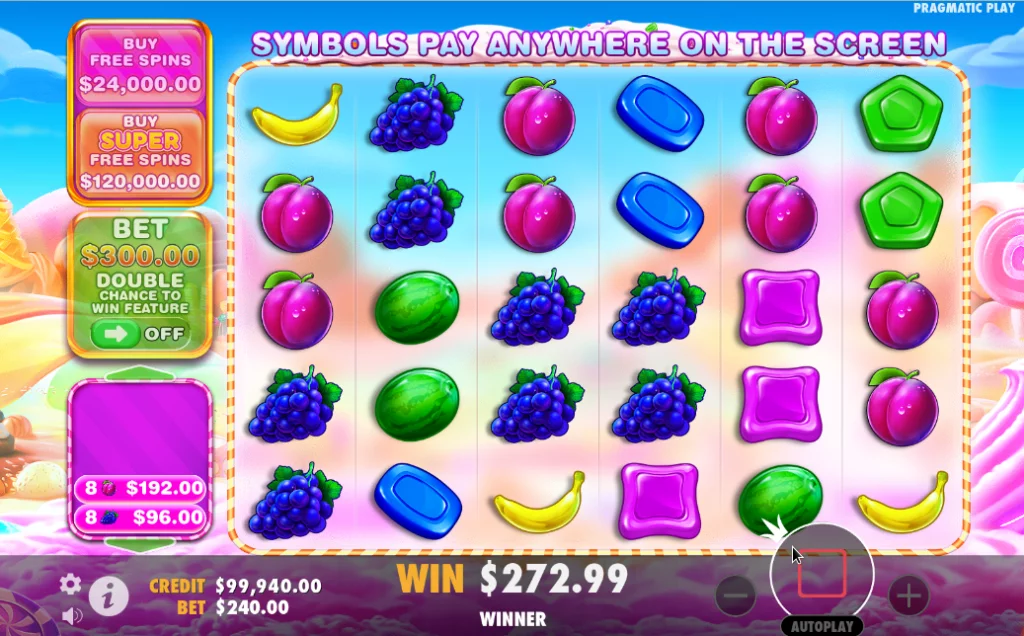
Indeed. In officially licensed games from well-known providers like Pragmatic Play, the free demo version uses the same approved RNG and game mathematics as the real-money version. This lets you to get a feel for Pirate Bonanza’s volatility and feature frequency, all based on real random outcomes, without spending a penny.