


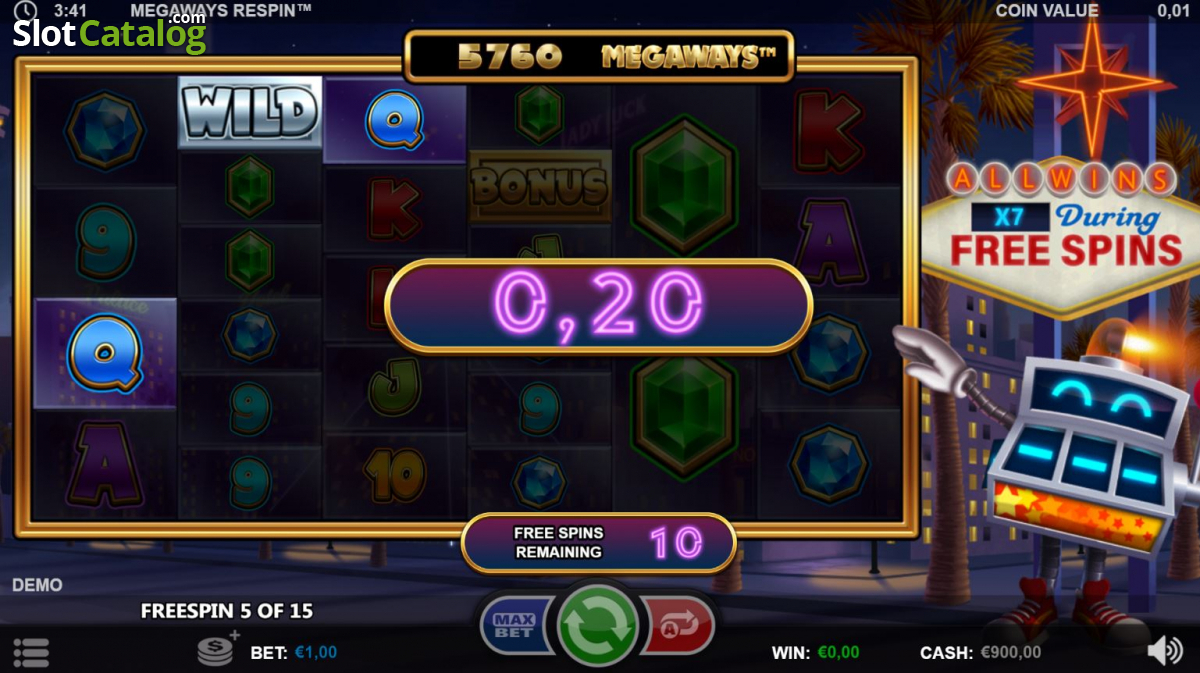
Comprehending the rules of online gaming in Canada is crucial, notably for a top slot like Gonzo’s Quest Megaways. Safe and lawful gaming relies on operators, regulators, and players all being aware of their responsibilities. This article explains the age verification processes and provincial laws that govern access to this well-known game. Canada’s system isn’t centralized. Rules vary from one province to the next, with each government determining its own legal gambling age and licensing operators. We’ll examine these regional differences, clarify how age and identity checks work, and emphasize why playing on licensed sites counts. The goal is to offer you the information you must have to play Gonzo’s Quest Megaways responsibly, so your fun stays within the stringent legal lines drawn across the country.
Comprehending Canada’s Fragmented Gambling Legislation
You must realize one thing first: Canada has no single federal law for online casino games like Gonzo’s Quest Megaways. The Criminal Code hands that power to the provinces and territories. The result is a mix of different regulations. Each province decides its own legal gambling age, licenses its own operators, and chooses which games its residents can play. Where you live determines where you can legally play. British Columbia and Ontario run open markets with many private operators alongside their provincial lottery corporations. Other provinces hold a tighter grip, with the government-run crown corporation as the only legal online option. This split system influences everything about how and where you can play. It also changes how rules are enforced, since each provincial regulator has its own compliance team. Comprehending your own region’s rules is the necessary starting point before you place a real money bet on any slot, no matter how fun it looks.
The Function of Provincial Regulatory Bodies
The final word on gambling legality across each province belongs to its regulatory body. Organizations like the Alcohol and Gaming Commission of Ontario (AGCO), the British Columbia Lottery Corporation (BCLC), and Loto-Québec hold a specific job. They shield players, ensure games are fair, and aim to stop crime. For Gonzo’s Quest Megaways to be offered legally, the game provider must have it approved and available on a site licensed by the province. These regulators perform tough audits on the games’ random number generators (RNGs) to verify they are fair. They also compel licensed operators to use strict responsible gambling tools and follow clear advertising rules. That regulator’s approval acts as your best sign of a safe, legal place to play. Using a site your provincial regulator hasn’t licensed goes against the law. It also removes your consumer protections, making you vulnerable to unfair practices and with nowhere to turn if you have a problem.
Main Roles of a Provincial Regulator
These organizations handle a broad spectrum of day-to-day jobs focused on the player. Their chief task is regulating operators. They scrutinize each one carefully, assessing its fiscal soundness, technological safeguards, and business integrity. They track compliance regularly, demanding operators to disclose suspicious transactions or any overall problems. A key function is operating a self-exclusion list. This permits a player to bar themselves from every licensed site with a one request. The regulators also set the rules for required play limits, time-out features, and how promotions must be worded. When you activate the reels on Gonzo’s Quest Megaways at a licensed site, you know the game’s mechanics and payouts have undergone review by these bodies. Their constant supervision makes sure the Megaways engine, with its dynamic 117,649 ways to win, runs on a validated RNG. Every result is unpredictable and equitable, just as the law stipulates.
Minimum Age Rules: A Regional Overview
The age requirement for digital gaming in Canada is not uniformly 19. That age is the standard in many provinces, but significant variations exist. You need to verify the rule for your particular area. In Alberta, Manitoba, and Quebec, you are allowed to play casino games and online slots at 18. But in British Columbia, Ontario, Nova Scotia, and many other regions, you must be 19. This difference comes from each province’s right to set its own age of majority and create its own gambling laws. The penalties for making a mistake are harsh. Operators must verify your age and location before they allow you to gamble for real money. If you misrepresent your age or where you are, you may forfeit any winnings and face account suspension. Playing while underage is also a crime. So before you start Gonzo’s quest for golden idols, be absolutely certain you’ve met the legal age for your home province.
- Provinces/Territories at 18: Alberta, Manitoba, Quebec, and the Yukon.
- 19-Year-Old Provinces/Territories: British Columbia, New Brunswick, Newfoundland and Labrador, Northwest Territories, Nova Scotia, Ontario, Prince Edward Island, Saskatchewan.
- Important Note: Age rules may differ between lottery tickets, casino games, and physical casinos inside the same province. Always confirm the rule for online casino play specifically.
How Operators Verify Age: How Operators Establish Eligibility
Today’s licensed online casinos use detailed, multi-step age verification. It goes much further than just checking a box. When you join, you first declare your age and location. But that self-reported information gets verified right away. Operators combine digital footprint analysis, database cross-checks, and document requests. A soft check might begin by examining your device’s IP address to ensure you’re in the approved province. They often employ third-party services to match your details against public records. For the majority of users, this automated step takes place without a hitch. If something is inconsistent, or if you hit certain deposit or withdrawal limits, a “hard” verification begins. This mandatory step demands you to submit clear photos of government ID, like a driver’s license or passport. You could also be asked for a second document, like a utility bill, to confirm your address. This thorough system is a legal must. It acts as the main line of defense against underage players.
The technology for these checks is always evolving. Many licensed sites now use electronic identity verification (eIDV) systems. These can verify digital copies of your documents in real time, using sophisticated methods to identify fakes. The check isn’t a single event, either. The site oversees accounts continuously. If your activity indicates you moved provinces or activates a responsible gambling alert, you could be required to verify your details again. For a game like Gonzo’S Quest Megaways Ios, where cascading reels and growing multipliers can lead to lengthy, engaging sessions, these safeguards are part of a larger responsible gambling plan. Operators have a legal duty to ensure everyone on that captivating adventure is old enough to be there. This looks after the player and preserves the licensed market honest.
Results of Failing Age or Location Checks
Attempting to bypass age or location checks leads to serious trouble. For the player, the first result is a frozen account. Any pending withdrawals halt, and winnings you accumulated while playing illegally are usually taken away. Your initial deposit is often given back, but the operator might impose an admin fee. They are not obligated to pay out bonuses or winnings. In serious cases, especially if the site believes deliberate fraud, they can refer you to the provincial regulator and the police. For underage players, this could mean legal charges. Getting flagged for verification fraud can also have you blacklisted from all licensed operators in that province, as many regulators share security data. It also avoids the personal responsible gambling controls—like deposit limits and self-exclusion—that are meant to keep you safe.
For the operator, failing to properly verify players brings heavy penalties from regulators. Provincial bodies can levy large fines, revoke or cancel licenses, and require public corrective actions. This is why licensed sites spend so much on compliance. The financial and reputational damage is too high a risk. If you play Gonzo’s Quest Megaways on an unlicensed “grey market” site that bypasses these checks, you aren’t fooling anyone. You’re placing yourself in an environment where the game’s fairness isn’t certified, your money isn’t protected, and your personal data could be at risk. The strict verification in the legal market might seem like a hassle sometimes. But it’s the foundation that provides a fair game, secure money handling, and a real way to address problems when they occur.
Trying Gonzo’s Quest Megaways on Licensed vs. Unregulated Sites
Deciding between a licensed provincial operator and an unlicensed international site is a decision between a controlled, safe experience and an unregulated, risky one. A licensed site providing Gonzo’s Quest Megaways in Ontario, for instance, has completed checks by the AGCO. The game’s RNG is verified as fair. Your deposits reside in separate accounts, and the site must pay out your winnings. You can use provincially required responsible gambling tools, and you have a direct path to file a complaint to the regulator if something goes wrong. An unlicensed site runs outside Canadian provincial law. No one independently reviews the game’s RNG, so you can’t depend on the advertised return-to-player (RTP) percentage or how the Avalanche feature works. Your money gets mixed with the site’s operating funds. If the site goes under, you could forfeit your deposit.
- Game Integrity: Licensed sites provide games audited by the province. Unlicensed sites offer no assurance the slot performs as promised.
- Financial Security: Licensed operators must secure player funds. Unlicensed sites have no such requirement, putting your deposit at risk.
- Player Protection: Licensed platforms include mandatory cooling-off periods, self-exclusion, and reality checks. Unlicensed sites often neglect these safeguards.
- Legal Recourse: With a licensed operator, you can take issues to the provincial regulator. With an unlicensed site, you have no actual legal standing at home.
The exciting hunt for wins in Gonzo’s Quest Megaways shouldn’t include betting on the site’s honesty. The licensed market is designed to establish a safe space for entertainment. It lets you to focus on the game itself, not on worries about basic safety and fairness.
Safe Betting Tools and Resources in Canada
Age check is just the start. Regulated Canadian platforms must also offer a full set of responsible gambling tools. These are statutory obligations, built right into the platform. Before you start your first Chain reaction in Gonzo’s Quest Megaways, you can set deposit limits for a day, week, or month. You can apply loss caps and wagering limits. You can set up reality-check alerts that appear during your session. For a longer break, you can opt for a 24-hour, 7-day, or 30-day pause without closing your account. The most key instrument is province-wide self-exclusion. You can ask to be banned from every licensed site for a set period, a process handled by the governing body. These tools give you command of your play. They help keep the game a positive form of entertainment.
Canada also has strong national support resources. Groups like the Canadian Centre on Substance Use and Addiction (CCSA) and provincial bodies like the Responsible Gambling Council in Ontario or PlayNow’s GameSense in BC provide private guidance and help. Many licensed sites link directly to these resources and train staff to identify indicators of problem play. When you spin a feature-laden slot like Gonzo’s Quest Megaways, where consecutive wins can drive multipliers to 5x in the base game and 15x in the Free Falls bonus, these tools assist you in maintaining your balance. They enable you to relish the game’s built-in volatility and potential within a framework of mindful entertainment. That’s the core idea of a legally regulated online gaming market.